
Helping a Parent Dispel the Gloom of Depression
"Depressed? Of course, I'm depressed," shouted my hard-of-hearing 85-year-old mother. And you would be too if most of your friends were gone, aches and pains developed in new places every day and you weren’t physically able to drive anymore!!.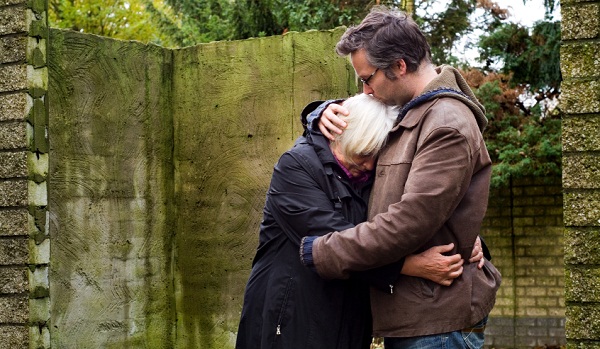
Depression is common in older adults as they are forced to deal with many difficult life changes that go along with aging. Although it's normal to feel "down" or "blue" when confronting illness, personal loss or death, it is not normal to feel sad or hopeless all the time.
Clinical depression
Clinical depression is a dark mood or feeling of emptiness and despair where all the joy and hope are gone from life. Things and people no longer interest the elder adult and so they withdraw from activities, family and friends. Physical complaints such as pain, weight loss, insomnia, fatigue and constipation are common and usually have no medical cause. Depression has such a great impact on cognition that people mistake it for the mental decline one experiences with dementia.
Risk factors
There are lots of risk factors associated with depression in older adults. These include serious health problems (stroke, disease and frailty), feelings of loneliness or isolation, feelings of purposelessness, fear of dying or the recent death of a friend, a partner, or even a pet.
The good news is that depression can be treated. Seniors don't have to remain in this state. You do have to recognize the symptoms of depression and proactively help your loved one take the necessary steps to feel better.
The three most important things you can do to help combat depression in older adults are:
1) Offer emotional support
Don't allow your loved one to remain isolated or stay in their home all day. Even if they complain of not feeling well or being tired, gently insist that they get out of the house and interact with others. Schedule a lunch, do some shopping or just have them stay in the car while you do errands. If your family member is not able to walk or if walking is difficult, you will have to be creative and plan social activities in their home. Ask relatives or neighbors to visit and assign someone to make daily contact via phone. Social interactions can be the bright spot in a lonely day.
2) Talk to a physician about medication or counseling
Older adults are sensitive to medication side effects and drug interactions. Your physician will advise you if anti-depressant drugs are safe for use. Supportive counseling and cognitive therapy are also excellent options to explore with a physician.
3) Seek support from a home care aide
The support of a personal assistant can boost a person's mood and ease feelings of loneliness. A home care aide can instill a sense of purpose in their life by rekindling an interest in enjoyable hobbies, activities or religious services. Not only will they plan and prepare healthy meals, make sure all medications are taken as instructed and encourage physical activity (even from a chair or wheelchair), but they will also stay on top of scheduled medical appointments. A positive relationship with an aide can have a huge impact on the quality of your loved one's life.
* * * * *